
DETection capabilities
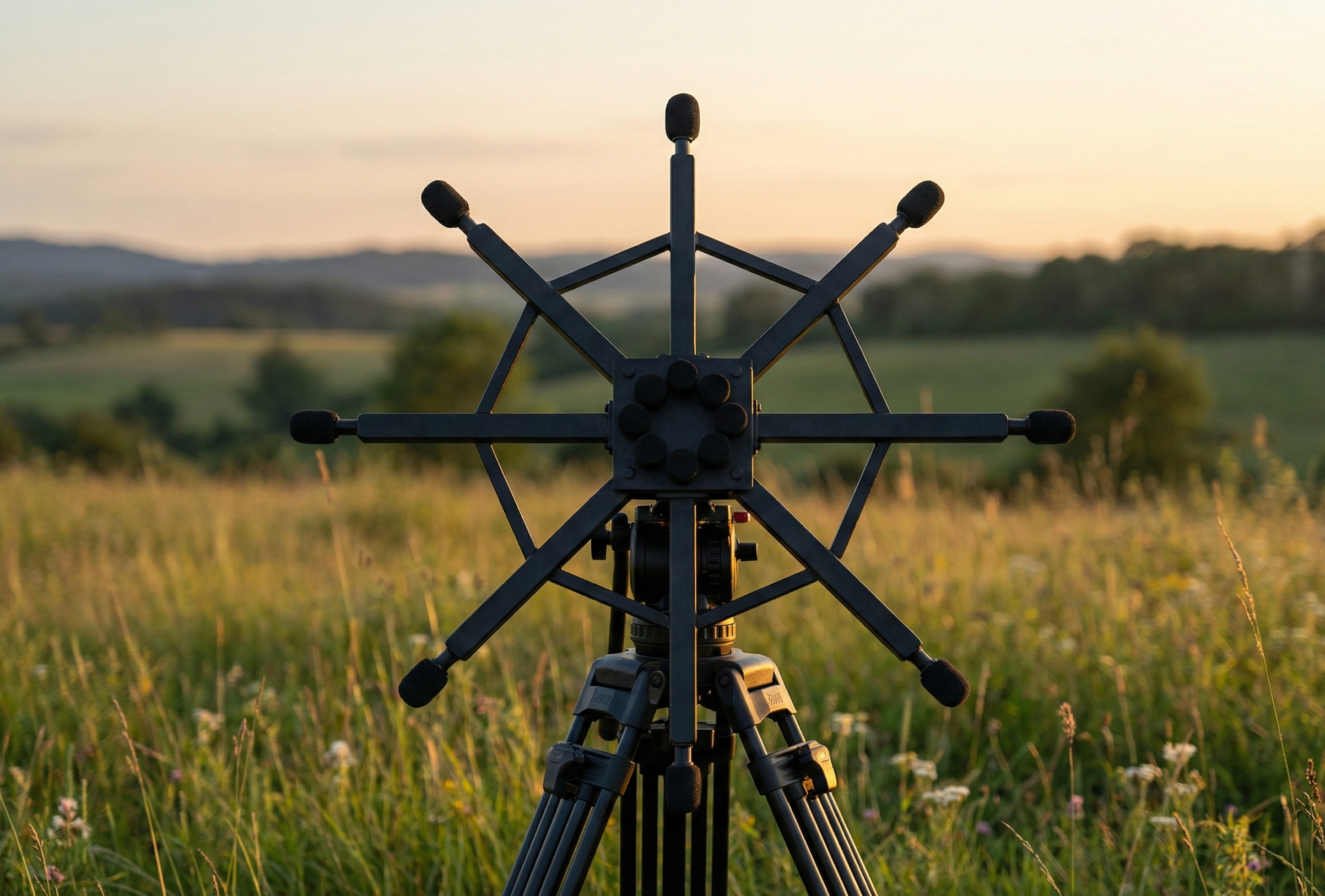
Products
bennu
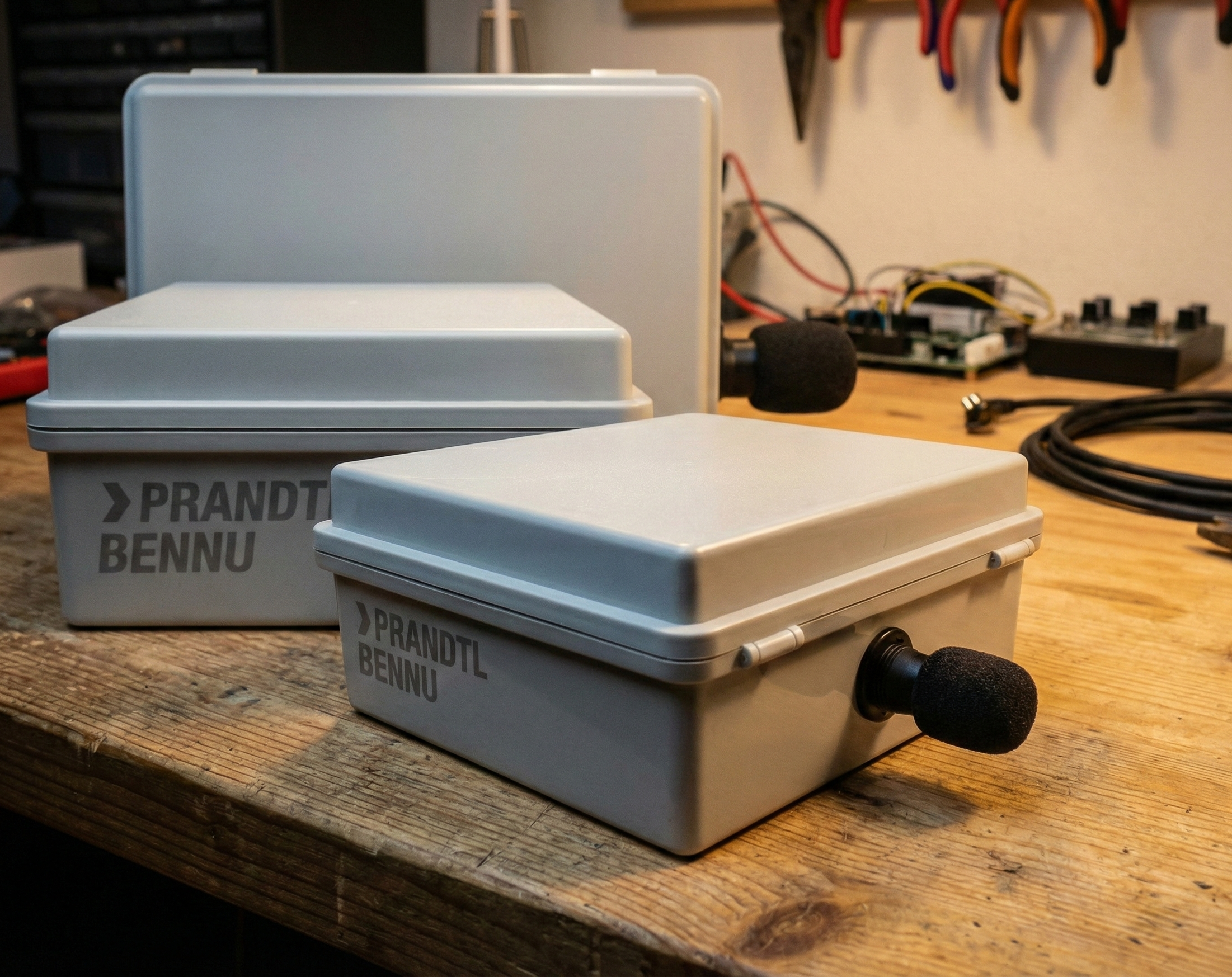
Acoustic event detection node
CONOP: flexible detector of acoustic events
Aircraft sensing
Gunshots and impulsive acoustic event detection
Arctic resource exploitation monitoring
Wildlife/human presence
General infrastructure or perimeter monitoring
Unattended monitoring of remote locations
Sensor: single, low noise, omnidirectional (360°) microphone
Remote deployment ready: weatherproof enclosure, low power, flexible communication options.
Outputs: Event class (type), Confidence score, Audio samples
OScura-120
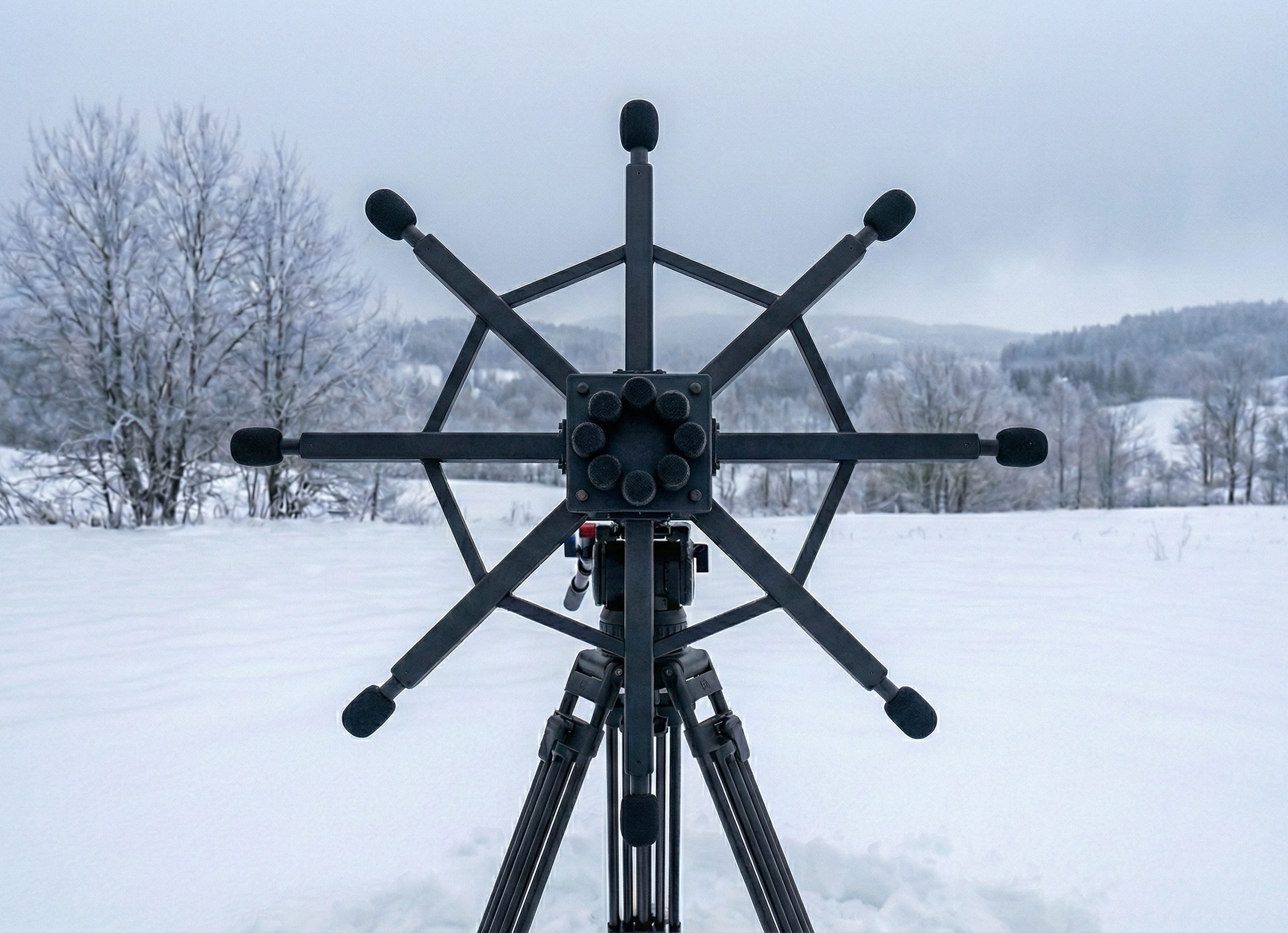
Low-cost, low-power passive acoustic sensing for fixed sites
CONOP: directional/omnidirectional sensor for fixed site coverage
Sensor: high sensitivity, EMI resistant microphone array
Self-sufficient: onboard detection, classification, tracking (if required) via classical and AI algorithms. No operator needed once deployed. Foldable and easy to carry.
Open architecture: drop-in integration with existing C2 and downstream defeat systems
Outputs: UAS type, azimuth, elevation, range, detection confidence
Frequently Asked Questions
-
Bennu is a configurable acoustic event detection node, and its range depends heavily on the mission profile (aircraft detection, gunshots, wildlife monitoring, infrastructure monitoring, etc.).
Because acoustic propagation varies significantly by event type, terrain, and environmental conditions, Bennu deployments are mission-tailored.
If you have a specific application in mind, please contact us with your operational requirements, and we will provide a custom range assessment.
-
OSCURA is built specifically for real-world environments, including urban areas with traffic, aircraft, and industrial background noise.
To increase accuracy, the system takes advantage of:
A high-sensitivity, EMI-resistant microphone array
Advanced signal processing chain + AI-based classification
A proprietary acoustic signature library
Because drone acoustics have distinct spectral and temporal signatures, OSCURA differentiates drones from ambient noise such as vehicles, wind, and construction activity. Each detection is accompanied by a confidence score, enabling operators or automated systems to make informed decisions.
-
Detection, classification, and localization occur automatically within seconds of acoustic acquisition. The system continuously tracks targets and updates positional data, enabling immediate handoff to command-and-control (C2) or downstream defeat systems if required.
-
No. OSCURA is designed to operate autonomously in environments it has not previously encountered.
The system includes:
AI-based classification with automated calibration
Adaptive signal processing
Open architecture integration with existing C2 systems
Because detection is based on acoustic physics and signature recognition rather than static environmental templates, OSCURA adapts dynamically to new deployment environments without site-specific retraining.
-
Yes.
In addition to functioning as part of a networked deployment, a single OSCURA unit can also be fully self-sufficient and:
Detect, classify, and localize drones autonomously
Output UAS type, azimuth, elevation, range, and detection confidence
Integrate into existing C2 platforms (TAK, SAPIENT, or custom systems)
-
No.
Once deployed, OSCURA operates autonomously. It performs detection, classification, and tracking onboard without requiring continuous operator input. Alerts and positional data are transmitted through secure networking channels (LoRa, WiFi, cellular, or wired).